Pilots using PicMA find that
 |
 |
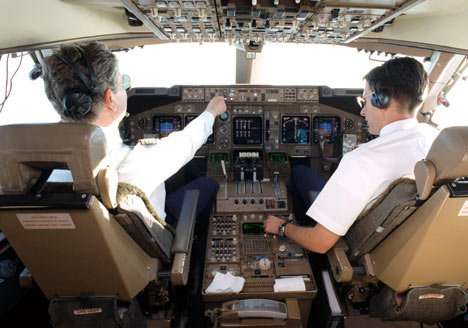
| It's easier to see mistakes when you aren't the one making them. | It gives the best possible chance to get your most critical decision right |
 |
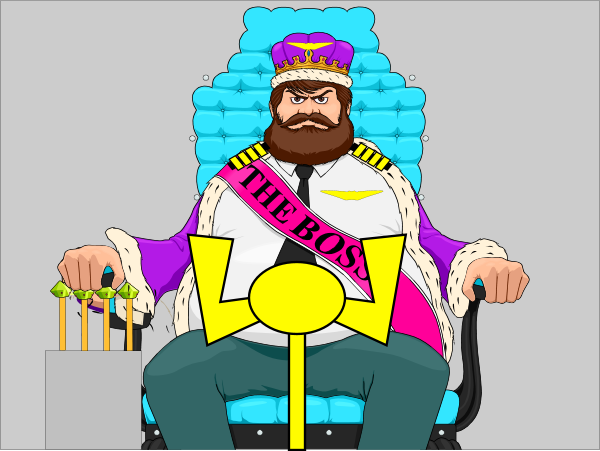 |
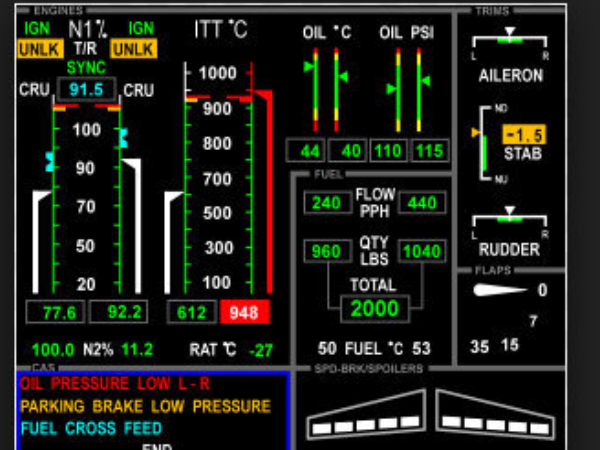
| It's easier to sort out problems if you're not flying the aircraft. | It's easier to make sure "junior" gets it right, than for "junior" to take control from you if YOU're wrong. |
The detailed material on this site shows how safety is enhanced by using PicMA procedures, but here are the bullet points........
In all conditions, approach management is improved through
- Better crew interaction and teamwork in descent and approach planning
- Increasing the Pilot's capability to maintain situational awareness
- Providing better protection against "tactical errors" and "errors of omission".
- Reducing monitoring /challenging errors
- Better readiness and preparation for threat and error management
- Improving communication effectiveness between crew and ATC
- Reducing plan continuation errors
- Providing a "fail-safe" mental model for the PF
- Reducing "startle factor" if an unexpected go-around is needed.
- Providing additional safety measures to encourage practicing manual flying on highly automated types.
In poor weather, approaching Decision Height
- Overall command capability is enhanced.
- The Pilot's situational awareness is better maintained.
- Premature transfer to misleading visual cues is minimised.
- There is more certainty of a positive decision AT Decision Height
- Unbroken monitoring of instruments can be assured
- In a continued approach to landing, the PM's callout reliability is enhanced.
- In a Go-around from DH, the PF is attuned to instrument flying and "primed" for the go-around.
In all conditions, Monitoring Effectiveness is enhanced by
- Procedurally eliminating the "co-pilot's dilemma"
- Recognising the many factors in the cross-cockpit authority gradient
- encouraging a conservative mind-set
- discouraging risk-taking
- Minimising undesired mitigation in communications
- Accepting that "monitoring" implies "supervision"
- Associating monitoring with accountability and authority
- Promoting monitoring as a fundamental active command role
- Building on strengths of both "authoritarian" and "individualistic" cultures.
- Reinforcing weaknesses in both "authoritarian" and "individualistic" cultures.
- Addressing multiple other cultural factors.
Pilots collectively need to act on this problem, and find the safety benefits of changing their normal way of working.